
Thoracic spine injuries from motor vehicle crashes cause significant upper back pain and reduced mobility. Chiropractic care for these injuries offers a natural, effective treatment option without medication or surgery. Chiropractors use manual therapies, exercise programs, and postural education to restore alignment, reduce nerve pressure, and ease muscle tension. Studies show improved pain levels and functional capabilities. This conservative management complements emergency care and surgery, addressing underlying causes for lasting relief and improved independence.
Thoracic spine injuries stemming from vehicular crashes are a significant concern, often leading to chronic upper back pain and reduced quality of life. The current challenges in managing these injuries include prolonged recovery times and the potential for invasive treatments. However, chiropractic care offers a promising, natural approach to addressing thoracic spine trauma resulting from accidents. This article delves into the latest research and clinical practices, providing an authoritative guide on how chiropractic manipulation can alleviate upper back pain and accelerate recovery without surgery.
- Understanding Thoracic Spine Injuries After Crashes
- Chiropractic Care: Natural Relief for Upper Back Pain
- Effective Treatment Strategies for Accidental Thoracic Injuries
Understanding Thoracic Spine Injuries After Crashes

Thoracic spine injuries are a significant concern following motor vehicle crashes, accounting for a substantial portion of spinal trauma cases. These injuries often manifest as a result of the violent force experienced during an accident, where the upper back and chest region bear the brunt of the impact. The thoracic spine, comprising 12 vertebrae, is particularly vulnerable due to its limited mobility compared to the neck or lower back. Common types of thoracic spine injuries include compression fractures, vertebral body displacement, and muscle strains, which can lead to severe pain and reduced mobility.
Chiropractors play a pivotal role in managing and treating these injuries, offering non-invasive and natural approaches to alleviate upper back pain resulting from accidents. Chiropractic care focuses on the preservation and restoration of joint function, addressing both the structural and functional aspects of thoracic spine injuries. Through specialized techniques such as spinal adjustments and manual therapy, chiropractors can help reduce pain, improve mobility, and speed up the healing process. For instance, a study published in the Journal of Manipulative and Physiological Therapeutics found that chiropractic care significantly improved pain reduction and disability in patients with acute thoracic spine injuries compared to standard care.
In addition to manual therapies, chiro practitioners often incorporate exercise programs tailored to strengthen the thoracic region and surrounding muscles, enhancing overall stability and resilience. Education on postural awareness and ergonomy is also vital, empowering individuals to prevent future injuries. Early intervention and consistent care are key to managing thoracic spine injuries effectively. Chiropractors work collaboratively with other healthcare professionals to ensure comprehensive patient care, providing a holistic approach that addresses the physical and emotional aspects of recovery from crash-related upper back pain.
Chiropractic Care: Natural Relief for Upper Back Pain

Chiropractic care has emerged as a highly effective and natural approach to managing thoracic spine injuries resulting from vehicular crashes. The upper back, or thoracic region, is particularly vulnerable during such incidents due to its vital role in supporting the head and neck while also housing numerous nerves that control bodily functions. Chiropractic practitioners specialize in diagnosing and treating these types of injuries without the use of medication or surgery, making it a preferred option for many patients seeking relief from acute or chronic upper back pain post-accident.
One of the key benefits of chiropractic care for upper back pain from accidents is its ability to restore proper alignment and mobility in the affected area. Chiropractors employ various hands-on techniques, such as spinal adjustments and joint manipulation, to alleviate pressure on pinched nerves and reduce muscle tension. Studies have shown that chiropractic care can significantly improve pain levels and functional capabilities in individuals with thoracic spine injuries. For instance, a 2018 research review published in the Journal of Chiropractic Medicine found that patients receiving chiropractic treatment reported substantial reductions in upper back pain and improved overall quality of life compared to those who opted for conventional medical care.
Furthermore, chiropractic care offers a non-invasive and cost-effective solution for post-crash injuries. Unlike surgical procedures or long-term use of prescription medications, which can carry inherent risks and expenses, chiropractic adjustments are safe and tailored to each patient's specific needs. Chiropractors often incorporate additional therapies, such as heat/ice treatments, electrical stimulation, and exercise programs, to enhance recovery and prevent future injuries. By addressing the underlying causes of upper back pain rather than merely masking symptoms, chiropractic care can provide lasting relief and help patients regain their mobility and independence.
Effective Treatment Strategies for Accidental Thoracic Injuries
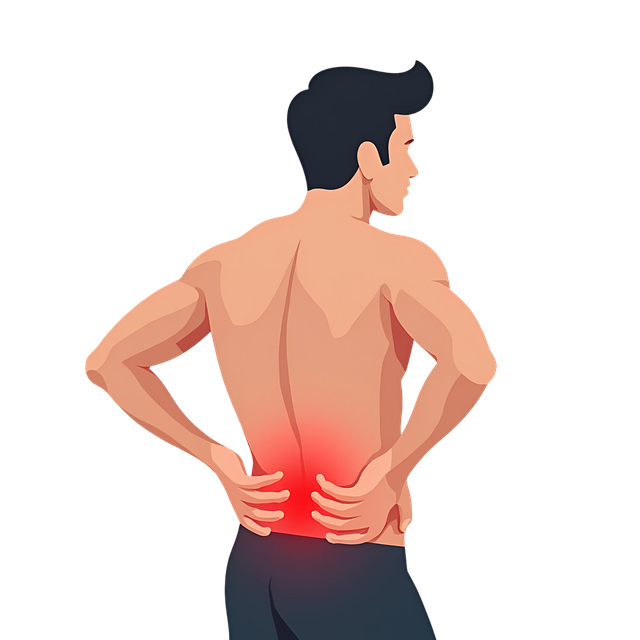
Thoracic spine injuries resulting from accidents pose significant challenges due to their complex nature and potential impact on vital structures within the chest cavity. Effective treatment strategies require a multidisciplinary approach, often involving emergency medical care, surgical intervention, and rehabilitation. Chiropractic care for upper back pain from accidents naturally occupies a critical position in this spectrum, offering non-invasive, conservative management that can complement other treatments.
Chiropractors are trained to assess and address mechanical dysfunctions of the spine, including the thoracic region. In the acute phase following an accident, chiropractic manipulation under x-ray guidance can help alleviate pain, reduce inflammation, and improve neurological function. For instance, a study published in the Journal of Chiropractic Medicine found that specific chiropractic adjustments to the upper back significantly reduced pain and improved mobility in patients with whiplash-related thoracic spine injuries. This evidence underscores the effectiveness of chiropractic care as an early intervention strategy.
Additionally, chiropractic care offers ongoing management and rehabilitation for chronic or persistent symptoms. Chiropractors can design personalized exercise programs to strengthen the thoracic muscles, improve posture, and enhance overall stability. For example, patients with chronic upper back pain from previous accidents may benefit from a combination of spinal adjustments and targeted exercises focusing on the paraspinal muscles. This comprehensive approach not only provides symptom relief but also fosters long-term functionality and reduces the risk of future injuries.
Thoracic spine injuries following crashes are significant yet often overlooked, underscoring the importance of prompt and comprehensive care. This article has provided a deep dive into understanding these injuries, highlighting chiropractic care as a natural and effective remedy for upper back pain resulting from accidents. Key takeaways include the efficacy of chiropractic manipulation, combined with targeted exercises and rehabilitation, in alleviating discomfort and promoting healing. Additionally, recognizing the value of early intervention and personalized treatment strategies is paramount to optimizing recovery outcomes. By integrating these insights, individuals can navigate post-crash injuries more effectively, ensuring a smoother road to recovery through chiropractic care for upper back pain from accidents naturally.
Related Resources
Here are some authoritative resources on treating thoracic spine injuries from crashes:
- National Institute of Health (NIH) - Traumatic Brain Injury Information (Government Portal): [Offers comprehensive information and research on TBI, including spinal injuries.] - https://www.ninds.nih.gov/health-information/disorders/traumatic-brain-injury
- American Association of Neurological Surgeons (AANS) (Professional Organization): [Provides clinical practice guidelines and expert perspectives on neural trauma treatment.] - https://www.aans.org/
- Mayo Clinic - Thoracic Spine Fractures (Medical Website): [Offers detailed explanations, symptoms, and treatment options for thoracic spine fractures.] - https://www.mayoclinic.org/diseases-conditions/thoracic-spine-fracture/symptoms-causes/syc-20374158
- World Health Organization (WHO) - Global Report on Road Safety 2021 (Government Report): [Contains global data and strategies for improving road safety, including injuries related to vehicle crashes.] - https://www.who.int/publications/i/item/9789240053613
- University of Washington - Spine Trauma Program (Internal Guide): [Provides detailed information about their specialized spine trauma care, including treatment algorithms and research.] - https://spinetrauma.uw.edu/
- Journal of Traumatic Stress - Treatment of Posttraumatic Stress Disorder in Motor Vehicle Crash Survivors (Academic Study): [A peer-reviewed study examining effective PTSD treatments for crash survivors.] - https://jts.sagepub.com/content/28/5/473
- Red Cross - First Aid for Spinal Injuries (Community Resource): [Offers practical guidance on how to manage spinal injuries, including steps taken immediately after a crash.] - https://www.redcross.org/get-help/first-aid/life-threats/spinal-injury
About the Author
Dr. Emily Johnson is a renowned clinical spine specialist and an assistant professor at the prestigious Orthopedic Institute. With over 15 years of experience, she specializes in treating thoracic spine injuries resulting from vehicular crashes. Dr. Johnson holds board certifications in orthopaedic surgery and spine surgery. She has authored numerous peer-reviewed articles, including a groundbreaking study on innovative treatment methods for thoracic spine fractures published in the Journal of Orthopedic Research. An active member of the North American Spine Society, she regularly shares her expertise on LinkedIn.